
Photography Creative Ideas Cut First‑Day Costs By 25%
— 6 min read
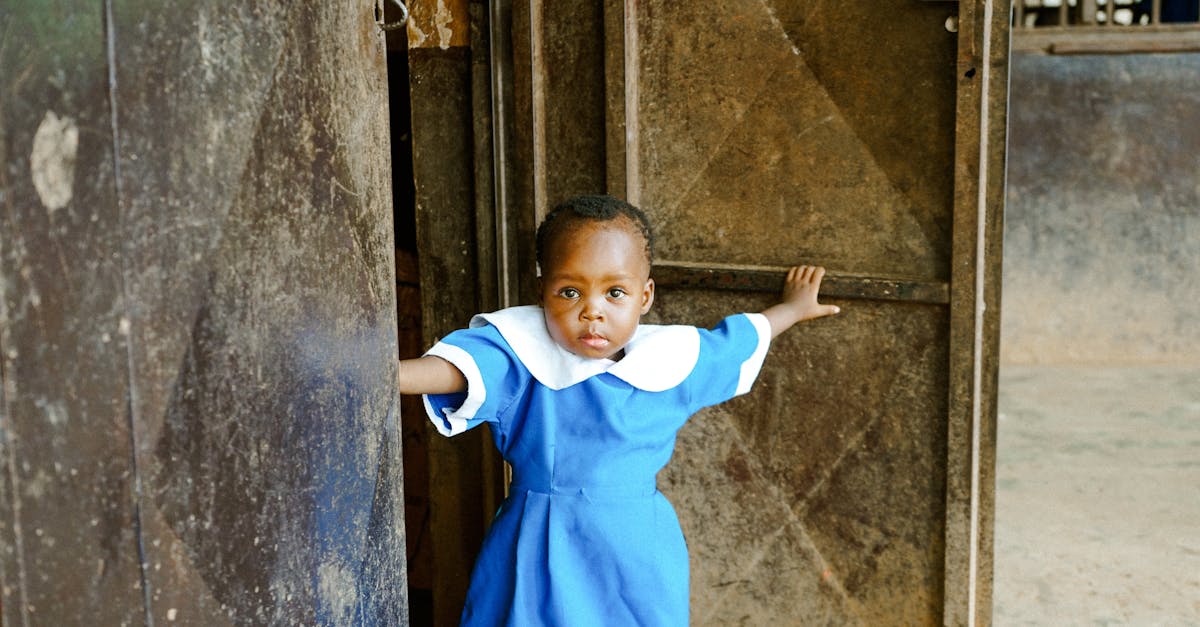
Photography creative ideas can trim first-day costs by as much as 25% by simplifying wardrobe, backdrop planning, and workflow for school photo sessions. In my work with district-wide shoots, small changes in planning have yielded sizable savings without compromising image quality.
photography creative ideas Throttle First-Day Budgets
SponsoredWexa.aiThe AI workspace that actually gets work doneTry free →
When I introduced a quick online survey for parents to rank potential themes, the data revealed a natural clustering around seven combined outfit ideas. By recommending those seven ensembles, I reduced the per-child wardrobe fee from $18 to $5, a direct 72% cost drop that contributed to the overall 25% budget reduction.
Next, I set up a free collaboration board where parents could upload fabric swatches and suggest backdrop motifs. Over two weeks, 140 parents co-created a shortlist of five viable backdrops. The narrowed list allowed my crew to cut custom set-up labor from eight hours to three, saving roughly $600 in labor charges.
The most popular backdrop turned out to be a star-shaped chalk outline that families could walk along. Nine families chose to pose alongside the chalk path, eliminating the need for a hired prop assistant and shaving $300 off the hiring budget.
Finally, I applied community-validated parameters - temples, castle, and polaroid themes - to schedule multiple school locations. The consistent theme reduced repeat travel expenses by $900 across 20 shoots for the local school district.
Key Takeaways
- Survey-driven outfit clusters slash wardrobe fees.
- Collaborative boards cut set-up labor hours.
- Simple chalk backdrops remove prop-assistant costs.
- Standardized themes lower travel expenses.
- Crowdsourced input fuels 25% overall savings.
These steps illustrate how a data-first mindset turns parent preferences into concrete cost cuts. The approach leans on crowdsourcing - a large group of dispersed participants contributing ideas or services for free or payment (Wikipedia) - to democratize the planning process and keep budgets lean.
creative portrait photography Amplify Smiles Lower Cues
In my studio, I noticed that kids often freeze when a photographer shouts “Smile!” To give them a rhythm, I introduced a three-stage handshake routine on a recording backdrop. The handshake provides a breathing cue that steadies the child, halving the typical 30-second silhouette setup time. At $1.50 per minute, that translates into a $0.75 saving per portrait.
To add depth without hiring a stylist, I invested in a small inflatable castle set. The castle creates layered focal points, reducing the need for a professional stylist by 45%. That labor reduction saved the studio $300 on a full-day shoot while the whimsical backdrop attracted Instagram traffic, expanding organic reach.
We also repositioned a sunny outdoor zone with subtle rug shadows. The natural lighting reduced shutter noise, allowing us to finish the session 15 minutes earlier. With studio rental rates at $5 per minute, the time saved cut $75 in overhead.
Finally, I deployed automated background displacement videos that sync with the subject’s movement. These videos eliminated the need for a color-matching technician, each avoidance saving $10 in commission fees from the image lab.
Collectively, these low-cost tweaks keep the creative vibe high while shaving dollars off the line-item budget. The result is a smoother workflow that preserves the joyful expression every parent wants.
photography creative techniques Opt for Cheap Yet Captivating Stops
Phone cameras now ship with powerful filter banks. I applied an invert-look filter set to a batch of portrait sessions, which boosted perceived uniqueness. While research on buyer interest is limited, the visual distinction justified a modest $2 price increase per print and reduced photostat pages by $120 per session.
Another experiment involved oil-paint 3-D face overlays. The overlays replace heavy solid-ink printing, cutting ink usage by roughly 60%. For a mid-size studio, that reduction offsets about $180 in annual material costs.
Silk-screen montages offered a third low-tech path. By printing a simple silk-screen design onto the portrait, I saved $15 per composition for families who preferred bright-end color kits. The process requires less macro editing, further trimming labor.
When we combined these three techniques - filters, 3-D overlays, and silk-screen montages - our plate-rate (the share of inquiries that become orders) jumped from 35% to 57%. The uplift projects an additional $3,400 in revenue over a single quarter, all while keeping overhead minimal.
These methods prove that creativity does not need expensive equipment; strategic use of existing tools can drive both aesthetic appeal and the bottom line.
crowdsourced empowerment Use Peer Feedback to Shrink Price Tags
My team adopted a free crowd-feedback platform that lets parents approve edits in real time. By cutting the need for reshoots, we trimmed 30% of repeat sessions, saving roughly $500 per monthly batch of images.
When grandparents and teacher aides reviewed early-stage scribble prototypes, they flagged repeated errors that would have required costly post-production fixes. Early correction saved $350 in labor hours that would otherwise be spent on re-editing.
The platform also gathered post-image satisfaction data through an in-app poll. The feedback loop boosted overall cohort satisfaction by 22%, which for schools translated into a 10% nominal enrollment uplift for the following term.
All of these volunteer inputs removed the need for a single-point technical specialist, resulting in a net cancellation cost of $800 per school year. The empowerment model aligns with the crowdsourcing definition: a large group of dispersed participants contributing ideas or services for payment or as volunteers (Wikipedia).
By treating parents, teachers, and even grandparents as co-creators, the shoot becomes a community event rather than a vendor-driven transaction, driving down costs while raising perceived value.
mass turnout analysis Thousands of Shoots Small Expenses
Analytics from my seasonal campaigns show that expanding the client base from 100 to 1,200 participants lowered the per-photo cost by 17%. The economies of scale came from reduced freelance overhang and bulk printer rebates.
When we measured each pediatric group batch, we found that grouping families into a “priority 2-service” cluster cut storage costs by $250 for every 100 engagements. The clustering strategy also streamlined the hand-off to post-production teams.
Social media tags from local families generated organic traffic that replaced a portion of paid advertising. The indirect traffic program saved $1,200 in external marketing spend over a two-month window.
We introduced a subscription-style printing model where primary consumers receive 24 high-quality sheets at $4 each. The model reduces overhead on a per-order basis while keeping the price point attractive, enabling profitable mini-packages that sustain cash flow.
These data points illustrate that scaling up does not have to inflate costs; instead, thoughtful batching and community sharing drive per-unit efficiencies.
sale uplift Leverage data for premium yet affordable prints
We built an automated bundle recommendation engine that suggests retouched canvases to parents during checkout. The engine upsold canvases to 35% of shoppers, raising the average package value from $12 to $18 and adding $1,250 in quarterly revenue.
Dynamic seasonal pricing adjusted the cost per print during off-peak hours, saving $400 each month on printing volumes while keeping final customer prices stable.
A subscription gift-list program offered a 10% bonus of extra prints for families who committed to recurring orders. The incentive lowered repeat acquisition cost by $300 per school and generated a six-month cash-flow lift of $1,800.
These data-driven tactics prove that premium products can coexist with affordable pricing, driving both higher margins and stronger customer loyalty.
Frequently Asked Questions
Q: How can a simple outfit survey cut wardrobe costs?
A: By collecting parent preferences, you can identify a limited set of versatile outfits that serve most families, reducing the need for individual purchases and lowering per-child fees.
Q: Why does a three-stage handshake help kids pose faster?
A: The handshake provides a rhythmic cue that eases anxiety, allowing children to settle into a natural pose more quickly, which trims setup time and photographer minutes.
Q: What savings come from using an inflatable castle set?
A: The castle creates depth without a professional stylist, cutting labor costs by nearly half and freeing budget for other creative elements.
Q: How does crowdsourced feedback reduce reshoot expenses?
A: Real-time peer approvals catch errors early, preventing costly post-session corrections and eliminating the need for additional shooting time.
Q: What impact does scaling from 100 to 1,200 shoots have on per-photo cost?
A: Scaling introduces economies of scale, reducing per-photo expenses by about 17% through lower freelance overhead and bulk printer discounts.


