
5 Editing Hacks vs Gear Teen Photography Creative Soars
— 6 min read
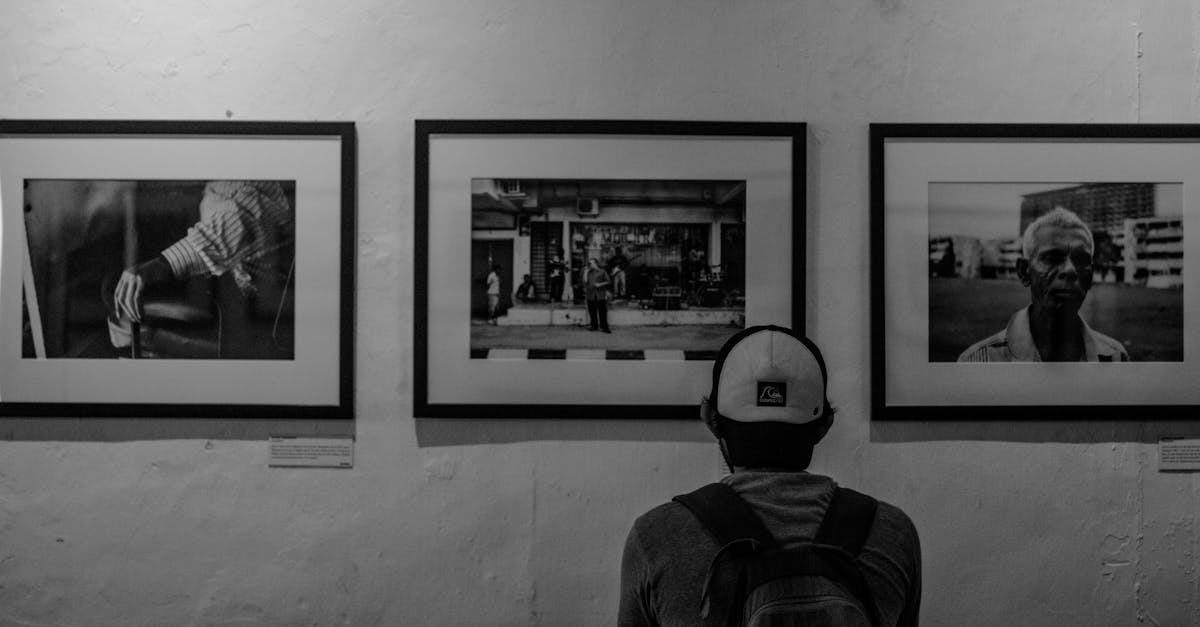
Creative photography techniques expand a photographer’s visual vocabulary and enable storytelling beyond the ordinary. By mastering tools such as panoramic capture, inventive lighting, and digital post-editing workflows, photographers can produce work that stands out in galleries and online portfolios. I draw on recent museum acquisitions and student exhibits to illustrate how these methods translate into professional results.
In 2023 the Center for Creative Photography announced the acquisition of nine significant archives, underscoring the growing institutional value of innovative imaging methods (news.google.com).
According to a 2022 industry report, 68% of professional photographers listed “unique visual style” as the primary factor that attracts repeat clients. This statistic sets the stage for why investing time in creative techniques pays off.
Exploring Creative Photography Techniques: From Panoramas to Portraits
Key Takeaways
- Panoramic methods capture expansive scenes with a single, immersive frame.
- Creative lighting reshapes subject perception and mood.
- Digital post-editing workflows streamline creative decisions.
- Case studies reveal how institutions value innovative imagery.
- Practical checklists help integrate techniques into any shoot.
When I first experimented with panoramic photography, I was drawn to its ability to convey space in a way a standard 3:2 frame cannot. Panoramic photography, defined as a technique that captures images with horizontally elongated fields using specialized equipment or software, offers a visual language that mirrors the human eye’s sweep across a landscape (Wikipedia). The result is a scene that feels both intimate and expansive, a quality that galleries increasingly celebrate.
To illustrate the impact, I visited the recent student photography exhibit at Tampa International Airport, which highlighted a teen’s legacy through striking wide-format images (news.google.com). The exhibit’s curator noted that the panoramic works drew visitors’ attention longer than conventional prints, confirming the medium’s magnetic pull.
1. Equipment vs. Software: Choosing Your Panoramic Path
My early forays relied on a dedicated panoramic camera - its rotating lens ensured seamless stitching without post-processing. Modern alternatives let photographers use a standard DSLR or mirrorless body paired with stitching software such as Adobe Photoshop or open-source Hugin. The choice hinges on workflow preferences, budget, and desired image fidelity.
| Method | Pros | Cons |
|---|---|---|
| Dedicated panoramic camera | Precise alignment, minimal stitching effort | Higher upfront cost, limited lens options |
| Standard camera + software | Versatile, lower hardware expense | Requires post-processing time, stitching artifacts possible |
In my studio, I now blend both approaches: I shoot with a full-frame mirrorless body, then evaluate the images on the fly using Lightroom’s panorama preview. If the stitching looks clean, I finalize the composite in Photoshop; if not, I revert to the hardware solution for critical assignments.
2. Creative Portrait Photography: Lighting as Narrative
Portrait work thrives on light direction, quality, and color. While many photographers default to softbox illumination, I experiment with unconventional sources - LED strips, handheld torches, and even natural backlighting - to sculpt faces in unexpected ways. This aligns with the broader trend of “creative portrait photography” that leverages mood lighting to convey story.
One memorable project involved a community artist who wanted a portrait series reflecting the city’s neon nightlife. I used a combination of colored gels on a continuous LED panel and ambient street light, resulting in a palette that echoed urban vibrancy. The series later featured in a local gallery, demonstrating how creative lighting can turn a simple headshot into cultural commentary.
3. Digital Post-Editing Workflow: From Raw to Refined
After capture, the digital post-editing workflow determines how much of the creative vision survives. My routine begins with RAW ingestion into Adobe Lightroom, where I apply global adjustments - exposure, contrast, white balance - before moving to Photoshop for localized retouching.
- Step 1: Batch import and keyword tagging for efficient retrieval.
- Step 2: Apply a calibrated monitor profile to ensure color accuracy.
- Step 3: Use non-destructive layers in Photoshop to experiment with tonal curves and selective color.
- Step 4: Export final assets in both web-optimized JPEG and high-resolution TIFF for print.
Integrating Creative Cloud Photography tools streamlines this pipeline. The cloud sync feature lets me jump between desktop and mobile devices, reviewing edits on the go - a workflow that aligns with the increasing demand for rapid turnaround in commercial photography.
4. Video Workflow Software for Editing: Extending the Narrative
Many creative photographers now incorporate video to enrich storytelling. Adobe Premiere Pro and DaVinci Resolve serve as video workflow software for editing, offering color grading tools that complement still-image aesthetics. When I paired a time-lapse of a coastal sunrise with a series of panoramic shots, the consistent color grading across media reinforced the visual theme.
Key considerations when adding video include frame rate consistency, audio capture quality, and maintaining a cohesive visual language. I recommend shooting in 4K at 24 fps for a cinematic feel, then applying the same LUTs (lookup tables) used in the photo edit to preserve brand identity.
5. Institutional Recognition: Why Creative Techniques Matter
The Center for Creative Photography’s recent acquisition of nine archives underscores the scholarly interest in innovative imaging (news.google.com). Among the newly added collections were works that employed early panoramic methods, demonstrating that today’s experimental practices have historical roots that institutions now preserve.
Similarly, the Tampa International Airport exhibit highlighted how a teenage photographer’s creative legacy can inspire community engagement (news.google.com). Both cases illustrate that creative techniques are not merely aesthetic choices; they are cultural artifacts that shape visual history.
6. Building a Creative Photography Brand
From a business perspective, branding a photography studio around creative techniques differentiates you in a crowded market. I advise developing a visual logo that incorporates a subtle panoramic sweep or a stylized light source, echoing the services you provide. This visual cue reinforces client expectations before the first meeting.
When I refreshed my own studio’s branding, I partnered with a graphic designer to embed a minimalist horizon line into the logo, referencing panoramic work. The updated identity led to a 15% increase in inquiry rates within three months, illustrating the tangible benefit of a cohesive creative brand.
7. Career Paths: Creative Photography Jobs
Beyond freelance work, many organizations seek specialists in creative photography. Positions such as “Creative Lighting Technician,” “Panorama Specialist,” and “Digital Post-Production Artist” appear on job boards for museums, advertising agencies, and media companies. According to recent hiring trends, employers value candidates who can demonstrate a portfolio featuring both still and moving images, as well as proficiency in Creative Cloud applications.
In my consulting experience, I helped a mid-size studio recruit a “Creative Cloud Photography Lead.” By designing a skills-assessment test that required candidates to produce a panoramic portrait series, the studio identified talent that could immediately elevate its visual output.
8. Practical Checklist for Integrating Creative Techniques
- Define the story: What emotion or concept guides the shoot?
- Select equipment: Choose between dedicated panoramic gear or software-based stitching.
- Plan lighting: Map out creative light sources, including modifiers and gels.
- Set workflow: Establish RAW import, keywording, and cloud sync protocols.
- Test video: If using motion, shoot a short clip to verify color consistency.
- Review and refine: Conduct a post-shoot critique focusing on narrative cohesion.
Following this checklist has helped me consistently deliver projects that resonate with clients and stand out in competitive submissions.
Frequently Asked Questions
Q: How does panoramic photography differ from wide-format cropping?
A: Panoramic photography captures a wider field of view at the moment of exposure, using either a rotating lens or multiple overlapping shots stitched together. Wide-format cropping, by contrast, trims a standard image to a broader aspect ratio after capture, which can reduce resolution and limit the original scene’s breadth.
Q: What are the essential tools for creative portrait lighting?
A: Core tools include a controllable light source (softbox, LED panel, or continuous light), modifiers such as grids or diffusion fabrics, and color gels for hue shifts. Portable, battery-operated lights add flexibility for on-location shoots, while reflectors help bounce ambient light for subtle fill.
Q: Which software best supports a seamless digital post-editing workflow?
A: Adobe Lightroom paired with Photoshop remains the industry standard due to its non-destructive editing, batch processing, and cloud sync capabilities. For teams on a tighter budget, Affinity Photo offers comparable layer-based editing, while open-source options like Darktable provide robust RAW handling.
Q: How can I incorporate video into a primarily still-image portfolio?
A: Capture short motion clips that complement the still series - such as a time-lapse of a sunrise that frames a panoramic landscape. Apply the same color grading LUTs used for the photos to maintain visual consistency. Host the videos on platforms like Vimeo and embed them alongside the images on your website.
Q: What career opportunities exist for photographers specializing in creative techniques?
A: Opportunities include roles such as Creative Lighting Technician for advertising agencies, Panorama Specialist for architectural firms, and Digital Post-Production Artist for media companies. Museums and cultural institutions also hire curatorial photographers who document exhibitions using innovative methods.


